



كيف يؤثر تصميم الشوارع على جودة حياة سكان المدن؟
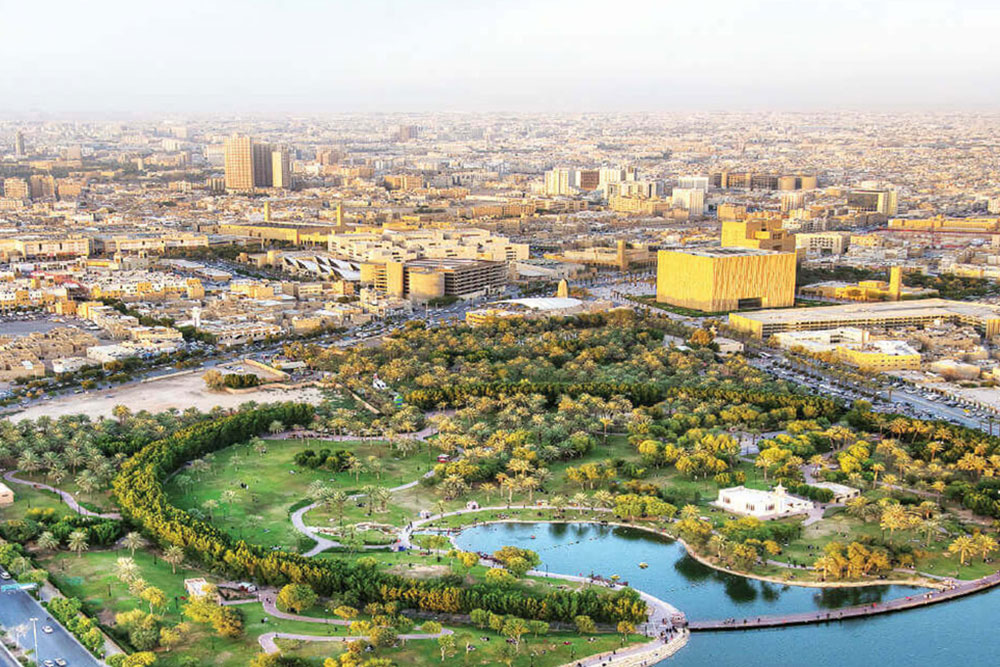
With the rapid urban growth witnessed in Saudi Arabian cities, especially Riyadh , street design is no longer merely a matter of traffic regulation. It has become one of the most important elements of urban planning that impacts quality of life. Streets are no longer merely corridors for vehicles; they have become social spaces, pedestrian paths, and a means of enhancing comfort and environmental sustainability.
The article focuses on the role of smart and integrated street design in improving residents' daily experiences, reducing pollution, achieving smooth mobility, and enhancing social cohesion and economic activity in the city.
What impact does street design have on daily life?
Urban planning studies indicate that well-designed streets contribute to a safer, more comfortable, and more inclusive urban environment for all segments of the population, including children, the elderly, and people with disabilities.
The most prominent effects of good design:
Encourage physical activity through pedestrian and bicycle paths.
Reducing reliance on cars and thus reducing congestion and pollution.
Enhancing traffic safety through clear crossings and smart traffic signals.
Improve mental health thanks to natural views, shade and ventilation.
Support economic activities in well-planned commercial streets.
quote:
“A city whose streets are carefully designed is a city that cares about the well-being of its residents.” – Jan Gehl, renowned Danish architect and urban planner.
Examples from Riyadh: The Kingdom's efforts towards designing urban streets
As part of Saudi Vision 2030 , Riyadh has begun adopting more comprehensive and sustainable urban street planning projects. Prominent among these projects are:
1. Green Riyadh Project
It aims to plant millions of trees along roadsides, which will mitigate summer heat, improve air quality, and create a healthy pedestrian environment.
2. Riyadh Central Development Project
It includes redesigning streets and squares to increase open spaces, and stimulate walking and cultural and social activities.
3. Smart ways
Smart traffic systems, such as adaptive signals and pedestrian notifications, have been introduced in some neighborhoods, improving safety and mobility.
Components of a good urban street
1. Dedicated pedestrian and bicycle lanes
It reduces car use and supports physical activity. It should be wide, safe, and shaded.
2. Seating and rest areas
It enhances social interaction and provides a comfortable environment for families and the elderly.
3. Afforestation and shading
It helps lower temperatures, improve air quality, and adds a comfortable aesthetic element.
4. Smart street lighting
Provides security at night, and is operated by energy-saving sensor systems.
5. Clear and smooth traffic signals
Increases safety for residents, especially in areas near schools and hospitals.
Challenges in designing Saudi city streets
- Heavy reliance on cars
It leads to ignoring the human dimension in street design, and creates an unfriendly environment for pedestrians.
- High temperatures
It reduces residents' desire to use sidewalks or bicycles, which requires providing solutions such as trees and providing shade.
- Lack of awareness of the importance of participatory planning
In some projects, the involvement of residents in street design is neglected, even though their daily needs are the basis for the evaluation.
Benefits of comprehensive street design in Riyadh
Improve air quality and lower temperatures.
Promote a healthy lifestyle through walking and cycling.
Improving safety in residential neighborhoods.
Attracting investors and stimulating local markets.
Achieving urban justice for all segments of society.
Proposals to improve street design in Saudi Arabia
Develop national standards for urban street design that take into account comfort, safety, and sustainability.
Encourage the use of public transportation and walking by supporting their infrastructure.
Enhancing residents' participation in developing neighborhood and street design plans.
Benefit from successful international experiences such as Canada, Denmark, and Singapore